
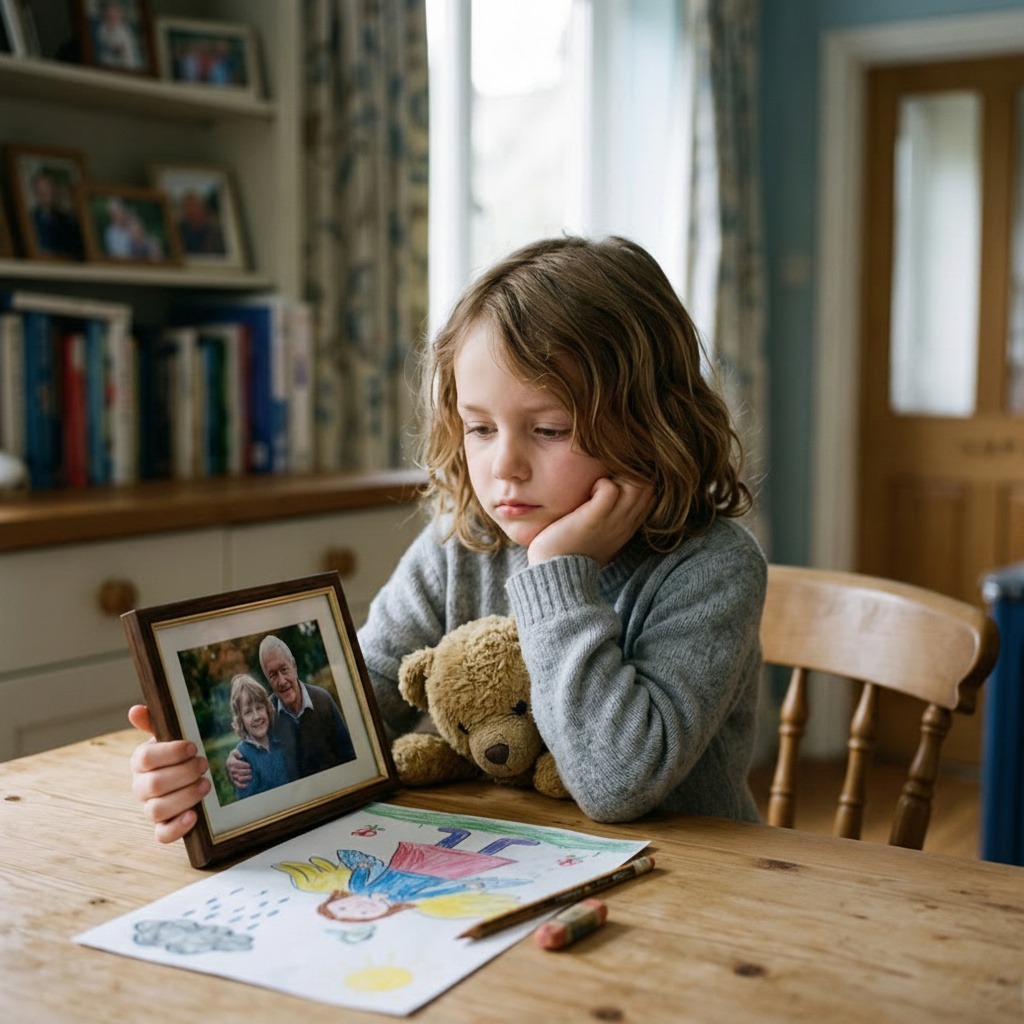
Grief is a complex and deeply personal experience and children’s understanding and expression of grief change significantly as they age. Recognizing these developmental differences is essential for caregivers, educators, and mental health professionals to provide appropriate support. Here’s an overview of how children at various age ranges typically process grief:
Infants and Toddlers (0–3 Years)
Understanding of Grief:
At this stage, children have limited cognitive understanding of death. They do not comprehend the permanence of death but are sensitive to emotional cues and changes in their environment.
Behavioral Responses:
– Increased clinginess or separation anxiety
– Changes in eating or sleeping patterns
– Crying more than usual
– Regressive behaviors
– Sensing caregiver distress, which can affect their sense of security
Support Tips:
Providing consistent routines, physical comfort, and reassuring presence helps infants and toddlers feel safe. They rely heavily on their caregivers’ emotional states.
Children (4–7 Years)
Understanding of Grief:
Children in this stage might start to have a literal understanding of death but may not grasp its finality. They might believe death is temporary or reversible and often personify death. For example they may act like a stuffed animal has died.
Behavioral Responses:
– Asking questions about death repeatedly
– Magical thinking (“I can bring them back to life”)
– Fear of abandonment or being next
– Regression in behaviors (e.g., thumb-sucking)
– Play therapy and drawings to express feelings
Support Tips:
Providing honest, simple explanations about death, reassuring them of their safety, and allowing them to express feelings through play and art are helpful.
Early School Age (8–12 Years)
Understanding of Grief:
At this age children typically understand death as permanent but may still struggle with abstract concepts. They might feel guilt or responsibility.
Behavioral Responses:
– Showing sadness, anger, or confusion
– Asking detailed questions about death and its causes
– Concentration difficulties or school issues
– Trying to be “brave” or acting out emotions
– Seeking peer support or withdrawing
Support Tips:
Encouraging open conversations, validating their feelings, and providing factual information helps them process grief. Maintaining routines and offering opportunities for expression are also beneficial.
Adolescents (13–17 Years)
Understanding of Grief:
Teenagers have an adult-like understanding of death but may process grief with more emotional complexity. They might experience denial, anger, guilt, or depression and seek independence or peer support.
Behavioral Responses:
– Withdrawal from family or friends
– Risk-taking behaviors
– Mood swings and irritability
– Preoccupation with death or existential questions
– Expressing grief through art, writing, or activism
Support Tips:
Respecting their need for independence while offering support is crucial. Encourage open dialogue, peer connection, and professional help if needed.
Children’s responses to grief are deeply influenced by their developmental stage. From sensory and emotional reactions in infancy to complex emotional processing in adolescence, understanding these differences allows caregivers to provide age-appropriate support. Patience, honesty, reassurance, and safe outlets for expression are key elements in helping children navigate their grief at every stage of development.