
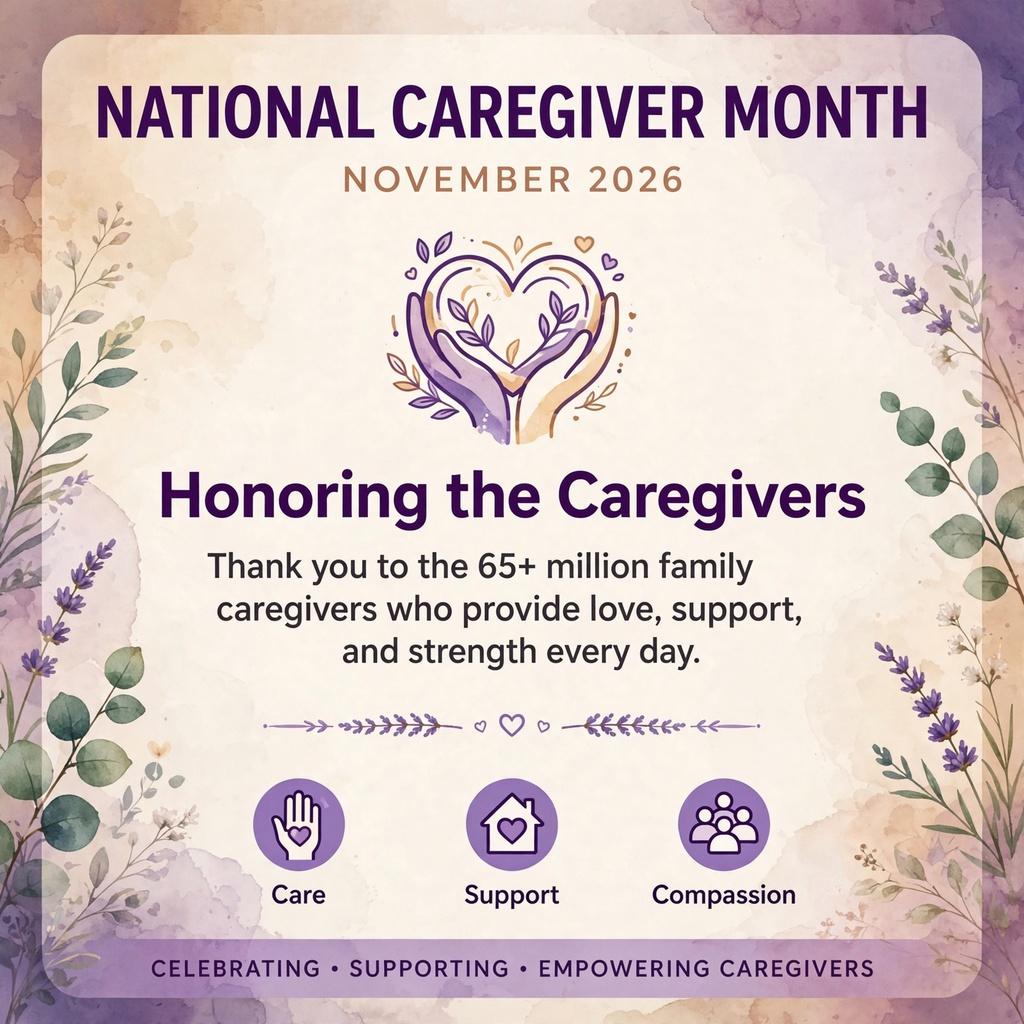
Approximately 1 in 4 adults (or about 25% of the adult population) in the United States act as an unpaid family caregiver, according to data from the AARP and National Alliance for Caregiving. The majority of long-term care for adults who cannot independently care for themselves in the US is provided by unpaid labor of their family members and friends.
In 2024, according to a survey by the AARP, 37 million Americans acted as unpaid caregivers to adult family members every month. Also, per the AARP, the economic value of family caregiving exceeded the total amount of federal, state, and local Medicaid spending in 2024 ($932 billion). They also report that 57 percent of family caregivers of adults perform high-intensity caregiving, defined by the tasks they perform and the hours they devote to caregiving. More than half (55 percent) perform medical/nursing tasks that are typically handled by health care professionals. Although this role can be incredibly rewarding and is deeply needed, informal caregivers have been documented to experience high rates of isolation, fatigue, financial losses, relationship stress and depression.
40 to 70% of family and friends providing long-term care for older adults have symptoms of depression. Far outpacing the general population, 25 to 50% meet diagnostic criteria for major depression.
Of course, providing care can also foster resilience and pride. More than half of caregivers (51%) report that their role gives them a sense of purpose and meaning. This percentage is even higher among Hispanic/Latino caregivers (58%) and those caring for nonrelatives (63%). Women account for the majority of caregivers at 61 percent. Per AARP, the average caregiver is 51 years old. However, research from AARP and National Alliance for Caregiving shows that the 17 million Americans who are part of are part of the sandwich generation, (middle-aged adults—typically in their 40s and 50s—who find themselves “sandwiched” between two competing responsibilities: raising or financially supporting their own children while simultaneously caring for their aging parents) are much younger than other family carers- with an average age of 42.
Here are strategies that help relieve caregiver stress:
Social support
Social support can make a big difference in the physical and mental health outcomes of caregivers.
Make time at least once a week for check-ins with friends and family such as going for a walk or having a video chat.
Join a support group. There are now multiple virtual options. Solidarity comes from receiving and giving support to others who have felt the hard emotions you have.
Ask for and accept help. This can be very challenging for some of us but is very valuable in making caregiving sustainable. Enlist other family members to help in ways they can- sitting with your loved one while you meet with a friend, going to store for you, cooking a meal weekly, or taking your loved one to medical appointments. Utilize your community resources also- such as respite resources and volunteer groups.
Mental Wellbeing
Focus on what you can do. Recognize all you do every day for your loved one. No one can or should do it all, and that is OK. Recognize that you will have days where you wish you did better, where you wish you had reacted differently, and that is also OK. You are a human being, provide yourself with love and compassion.
Set attainable goals. When you are caring for others, it can feel overwhelming to even start taking care of yourself. You can start by making small actionable goals to take care of yourself. Daily habit planners can help, one focused on goals for taking care of yourself, separate from the planners you use to track all the appointments of your loved one.
Say no when you need to. If others have requests that might big you down, whether it be friends, other family members, or colleagues, say no.
Practice mindfulness. Breathing exercises, meditation and progressive muscle relaxation reduce burden and depressive symptoms.
Get good Sleep! Often, due to your caregiving duties, your sleep may very well be interrupted. Try to control what you can regarding your sleep- do not use screens prior to bed and try to have calming bedtime rituals.
Take micro breaks. Even a short moment outside or relishing a cup of tea can make a difference.
Eat a healthy diet rich in vegetables, fiber, low in processed food and drink plenty of water. Taking care of yourself gives you more energy to care for others. Some caregivers and spouses are sometimes eligible for meals on wheels.
Ask for help!
In addition to regularly receiving support and assistance from your friends and family, there are respite services available. There are in-house aides, adult day centers and short term skilled nursing
Know your rights. Many jobs are mandated to provide FMLA- the family medical leave act mandates that certain workplaces that qualify must provide unpaid protected time off of 12 weeks for workers caring for a primary relative (father, mother, child) or spouse. This can be continuous or intermittent (time off as needed for flares or appointments).
You may also be eligible for some compensation for the labor you provide. In Florida, family members can often be hired and paid to provide care for a loved one enrolled in specific Medicaid Home and Community-Based Services (HCBS) waiver programs.
Professional support
Therapy with a professional can be critical for mitigating caregiver burnout.
Cognitive behavioral therapy can be very effective. It is a form of therapy that helps you restructure negative thoughts and reevaluate them through a different lens. You and your therapist can then work together by changing avoidance behaviors or unhelpful habits and implementing practical coping strategies. CBT reduces both depression and anxiety.
Therapy can help you process difficult emotions like resentment, anticipatory grief, or reduced self-worth. If providing caregiving does not feel like it was a choice, has impacted your expected life trajectory, or you previously had a strained relationship with your loved one, challenging emotional response or more likely to surface and a professional can help you navigate these feelings.
A therapist can guide you on practicing self-compassion, which is treating yourself in a loving, nonjudgemental way.
They can also help hold you accountable for taking care of yourself and seeking support for your caregiving tasks if appropriate.
They can also guide you through cognitive reappraisal and acceptance. This includes celebrating small victories, setting realistic expectations, and recognizing when your loved one’s behaviors are part of the disease process.
Therapy can also be a setting where you can learn breathing exercises, progressive muscle relaxation, and meditation. You can also learn this out in the community at meditation centers or at the YMCA.
This November can be the month you start caring for you, the caregiver, like you deserve.
Sources and Resources
Caregiving in the US 2025: Key Trends, Strains, and Policy Needs
https://www.aarp.org/caregiving/basics/sandwich-generation-caregiving-report
https://papers.ssrn.com/sol3/papers.cfm?abstract_id=2858551
https://journals.sagepub.com/doi/10.1177/13591053251388310
https://pubmed.ncbi.nlm.nih.gov/40499128
4 pieces of advice for caregivers from caregivers : Life Kit : NPR
https://www.caregiveraction.org
https://www.tgh.org/tampawell/tampawell-nutrition
https://mowtampa.org/meal-service/