

Dealing with grief during the holidays can feel destabilizing. The lights are bright, the playlists are loud, everywhere you look things are festive, but on the other hand there’s a space in the room where a loved one should be. On New Year’s Day in particular, people call for fresh starts and clean slates, while the heart carries a heavy year of absence. If you’re navigating this season while carrying grief, you’re not alone and you don’t have to pretend you’re okay to get through the day.
Dealing with Grief is a Natural Process
Grief is not something we need to fix, nor a mood to snap out of. It is a natural, personal process, and holidays can intensify the ache simply because they come with so many reminders of what’s changed. Some days you may feel steady and present. On other days, the weight may feel overwhelming. Both experiences are valid. The goal isn’t to erase the pain, but to find ways to carry it with you, even as you seek moments of relief, connection, and meaning.
Here are a few things that many people find helpful during this season, especially on New Year’s Day:
Name the feeling. If you can, pause and put a label on what you’re feeling in that moment—grief, loneliness, relief, guilt, or a mix. You might write a quick sentence in a journal: “Today I feel … and that’s okay.” Naming emotions reduces its power and makes it easier to decide what comes next.
Plan with flexibility. You don’t have to commit to every holiday tradition if it’s going to feel unbearable. Instead, choose one small ritual that honors your loved one and one activity that sustains you. It’s perfectly fine to decline gatherings if you need rest. The goal is connection that feels affirming, not obligatory.
Create a personal ritual to honor the person. A short, deliberate act can be intensely healing. For example:
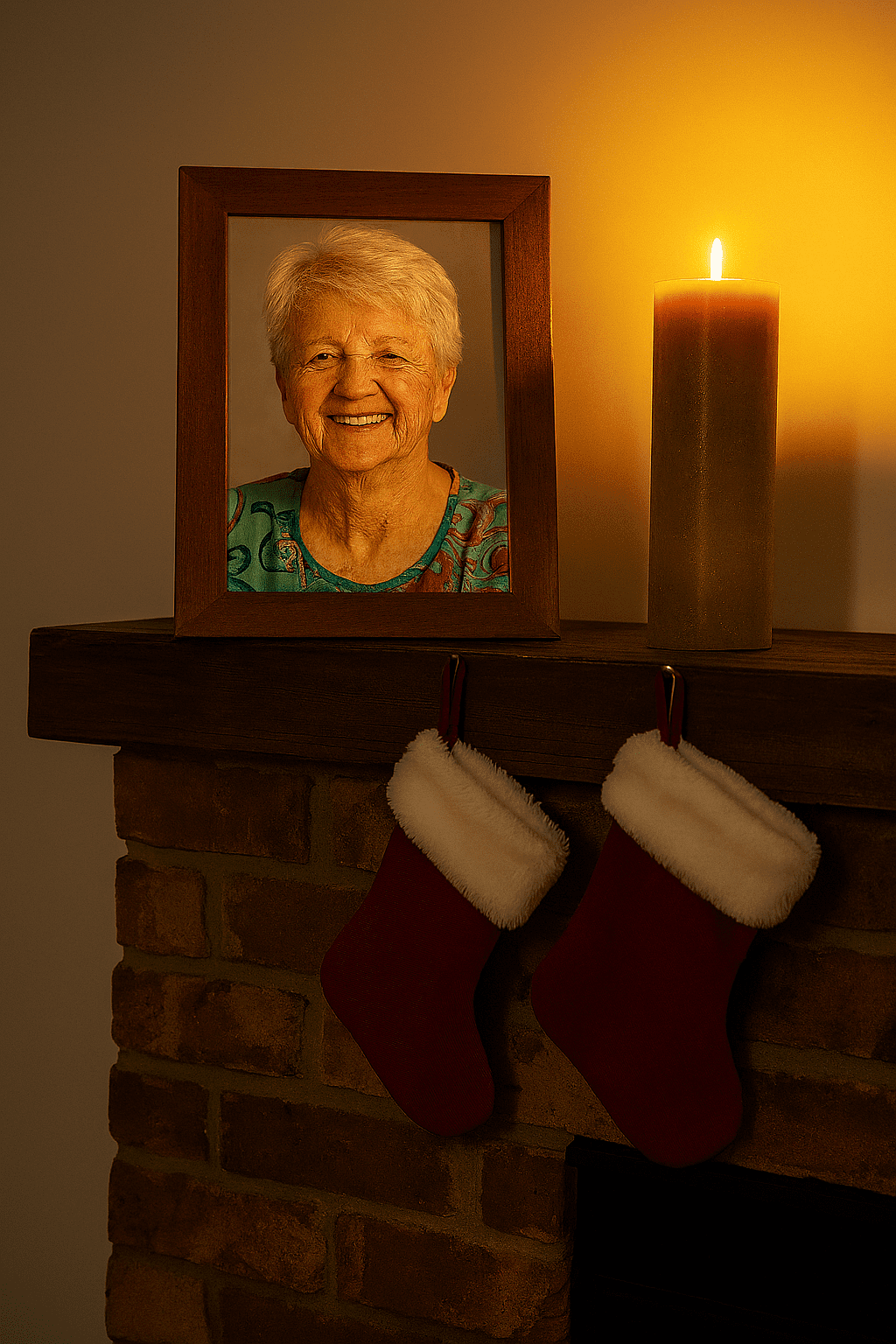
- Light a candle at a specific time
- Prepare or share your loved one’s favorite dish
- Write a letter to them and place it in a keepsake box
- Play a song that reminds you of them
- Plant a tree in their memory
- Visit their burial site or spend the time with their keepsake urn
Rituals acknowledge absence and invite continuing presence in small, meaningful ways.
Adapt traditions rather than abandon them. You might keep your usual New Year’s toast but do it with a different sentiment—gratitude for the time you had, or a plan to honor the future you want to build in their memory. If a tradition feels too painful, replace it with something that brings a gentle sense of continuity, like a walk, a photo album, or a quiet hour of reflection.
Practice selfcare with the heart in mind. Grief is exhausting. Prioritize rest, regular meals, and gentle movement. If you’re overwhelmed by noise or crowds, give yourself a respite—a quiet room, a longer walk, or a moment outside away from the festivities. Small acts of care can prevent the day from getting too heavy to bear.
Set boundaries and give others permission to do the same. It’s okay to say, “I’m not up for this today. Can we please do something else?” Boundaries aren’t selfish; they’re a way to preserve your energy and preserve your relationships. You deserve friends and family who respect your pace.
Reach out and lean on your village. A trusted friend, family member, therapist, or support group can hold space for your grief without trying to fix it. If you’re feeling isolated, a message like, “I just need someone to sit with me,” can invite the kind of support you need.
Start New Year’s Day with a gentle intention. Rather than a bold plan for a perfect year, set a simple intention that aligns with your current needs. It could be: “I will give myself permission to feel joy without guilt,” or “I will seek a moment of peace today.” Intentions that honor your grief can be a quiet lighthouse through the day.
If you have children, talk openly but simple terms. Children sense the weight of loss too. Explain change honestly in age-appropriate terms, maintain routine where possible and invite them to participate in a small memory activity. Shared honesty builds resilience for both of you.
Ultimately, the holidays will look different after a loss, and that difference can carry both sorrow and tenderness. With time, the sharp edges may soften, and you may notice pockets of light like laughter that comes not from forgetting, but from a moment of relief, a conversation that feels genuine, a memory shared with warmth rather than pain. Grief reshapes holidays; it doesn’t have to erase them. If you’re navigating New Year’s Day with a heart that feels heavy, give yourself permission to grieve at your own pace, to seek comfort in small rituals, and to hold onto the people and practices that light a path through the season.